
Dr. Abhishek Saxena
Published on December 25, 2025
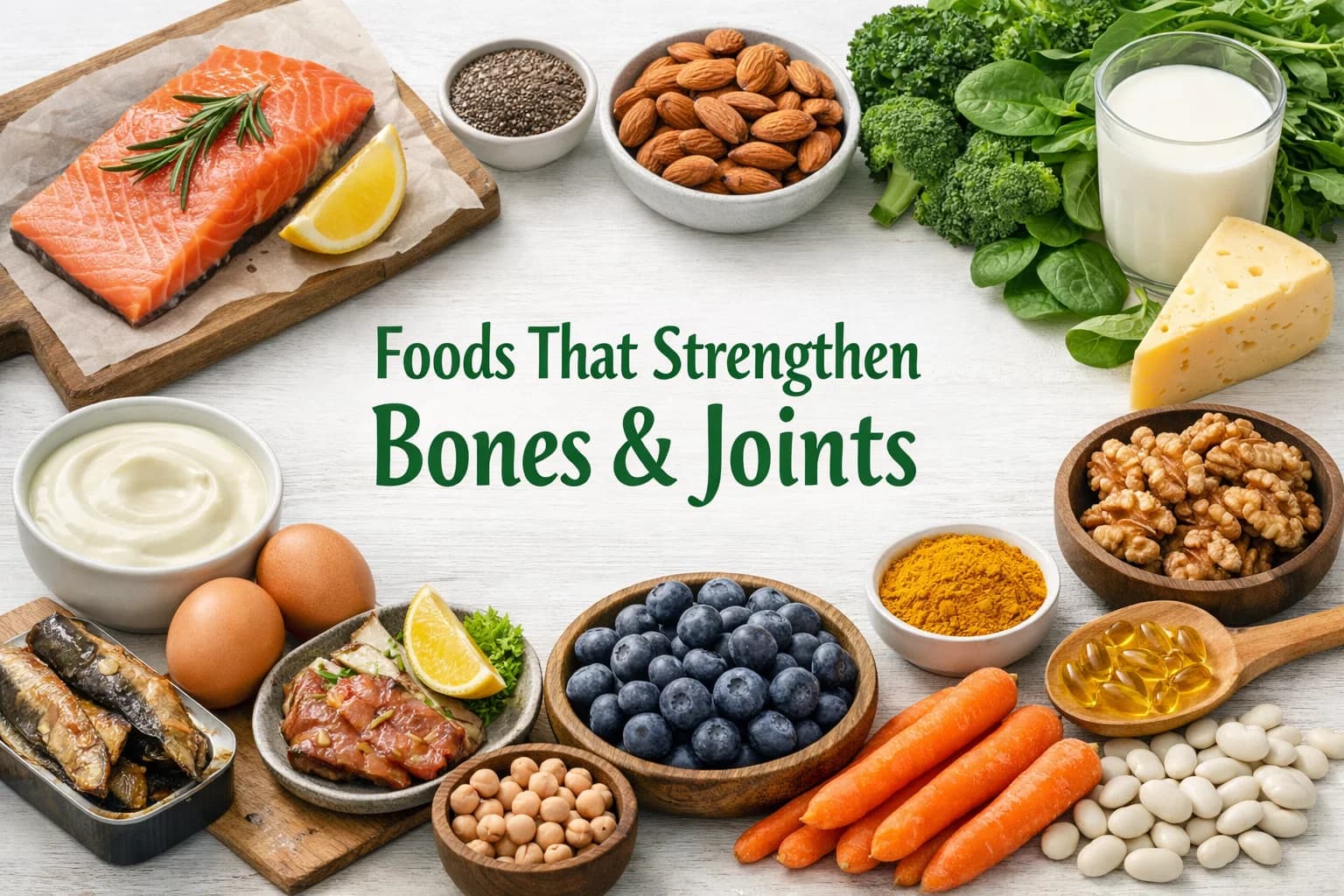
Foods That Strengthen Bones & Joints – Advice by Dr. Abhishek Saxena
Foods That Strengthen Bones & Joints – Advice by Dr. Abhishek Saxena
As an orthopedic specialist in Ajmer, I often tell my patients: "Your diet can be your best medicine for bone and joint health." While treatments and exercises are important, the foods you eat daily build the foundation for strong bones and flexible joints. Let me guide you through the essential nutrients and foods that can help prevent osteoporosis, arthritis, and other bone-related issues.
Why Nutrition Matters for Bone & Joint Health
Your bones are living tissue that constantly remodels itself. What you eat provides the building blocks for:
- Bone density: Preventing osteoporosis
- Cartilage health: Protecting joints
- Inflammation control: Reducing arthritis pain
- Healing support: Recovering from injuries faster
- Overall mobility: Maintaining flexibility and strength
Essential Nutrients for Strong Bones
1. Calcium - The Bone Builder
Your body contains about 1 kg of calcium, 99% in bones and teeth.
- Best food sources:
- Dairy: Milk, yogurt, cheese (choose low-fat options)
- Leafy greens: Spinach, kale, broccoli
- Fortified foods: Fortified cereals, plant-based milks
- Small fish: Sardines, salmon with bones
- Daily requirement: 1000-1200 mg for adults
- Pro tip: Spread calcium intake throughout the day for better absorption
2. Vitamin D - The Calcium Absorber
Without Vitamin D, your body absorbs only 10-15% of dietary calcium.
- Best food sources:
- Fatty fish: Salmon, mackerel, tuna
- Egg yolks
- Fortified dairy and cereals
- Mushrooms exposed to sunlight
- Natural source: Sunlight - 15-20 minutes daily
- Daily requirement: 600-800 IU
3. Protein - The Framework Provider
Bones are 50% protein by volume. Adequate protein prevents age-related bone loss.
- Best food sources:
- Lean meats: Chicken, turkey
- Legumes: Lentils, chickpeas, beans
- Dairy products: Milk, yogurt, paneer
- Nuts and seeds
- Daily requirement: 0.8-1.0 gram per kg body weight
Essential Nutrients for Healthy Joints
1. Omega-3 Fatty Acids - Natural Anti-inflammatories
Reduce inflammation in conditions like rheumatoid arthritis.
- Best food sources:
- Fatty fish: Salmon, sardines, mackerel
- Flaxseeds and chia seeds
- Walnuts
- Canola oil and soybean oil
- Benefit: Can reduce morning stiffness and joint pain
2. Vitamin C - Collagen Production
Collagen is the main protein in cartilage, tendons, and ligaments.
- Best food sources:
- Citrus fruits: Oranges, lemons, grapefruits
- Bell peppers (especially red and yellow)
- Strawberries and kiwi
- Indian gooseberry (Amla)
- Daily requirement: 75-90 mg
3. Antioxidants - Fight Joint Damage
Protect joints from oxidative stress and inflammation.
- Best food sources:
- Berries: Blueberries, strawberries, raspberries
- Green tea
- Dark chocolate (70% cocoa or higher)
- Colorful vegetables: Tomatoes, carrots, beets
Traditional Indian Foods for Bone Health
Our traditional diet includes many bone-friendly foods:
- Sesame seeds (Til)
- Rich in calcium and magnesium
- Use: In chikkis, laddoos, or sprinkled on food
- Ragi (Finger millet)
- Excellent calcium source
- Use: Ragi roti, porridge, dosa
- Curd/Yogurt
- Calcium and probiotics
- Daily consumption recommended
- Moringa (Drumstick leaves)
- Packed with calcium, vitamins, and minerals
- Use: In dals, curries, or as powder in soups
- Jaggery
- Contains magnesium and potassium
- Healthier alternative to sugar
Sample Daily Meal Plan for Bone & Joint Health
Breakfast:
• Ragi dosa with coconut chutney
• Glass of fortified milk or buttermilk
Mid-morning:
• Handful of walnuts or almonds
• Seasonal fruit (orange or guava)
Lunch:
• Whole wheat roti
• Spinach dal or fish curry
• Salad with tomatoes and cucumbers
• Curd
Evening:
• Green tea
• Sesame seed chikki or roasted chana
Dinner:
• Chicken or paneer curry
• Broccoli and carrot sabzi
• Brown rice or jowar roti
Foods to Limit or Avoid
Certain foods can weaken bones and inflame joints:
- Excess salt: Increases calcium excretion
- Sugary drinks: Phosphoric acid in colas leaches calcium
- Processed foods: High in inflammatory fats
- Excess caffeine: More than 3-4 cups daily may affect calcium absorption
- Alcohol: More than 1-2 drinks daily harms bone health
Special Considerations for Different Life Stages
For Children & Teens:
• Emphasize calcium-rich foods during growth spurts
• Ensure adequate protein for bone development
• Encourage outdoor play for Vitamin D
For Women (especially post-menopausal):
• Increase calcium and Vitamin D intake
• Include phytoestrogen sources: Soy, flaxseeds
• Regular weight-bearing exercise
For Seniors:
• Focus on easily digestible protein sources
• Ensure adequate Vitamin B12 for nerve health
• Consider supplements if dietary intake is insufficient
Cooking Tips to Preserve Nutrients
- Steam vegetables instead of boiling to retain calcium
- Use bones in soups and stews for natural minerals
- Combine Vitamin C foods with iron sources for better absorption
- Soak and sprout legumes to reduce phytates that inhibit mineral absorption
- Use healthy oils like mustard or olive oil for cooking
Common Myths About Bone Health Nutrition
Myth: "Only dairy provides enough calcium"
Truth: Many plant sources are equally good, especially for lactose-intolerant individuals
Myth: "Protein weakens bones"
Truth: Adequate protein is essential for bone strength
Myth: "Supplements are better than food"
Truth: Whole foods provide nutrients in balanced proportions that supplements can't replicate
When Supplements Might Be Needed
As an orthopedic surgeon in Ajmer, I recommend supplements only when:
- Dietary intake is consistently inadequate
- Specific deficiencies are diagnosed
- Medical conditions affect nutrient absorption
- During pregnancy and lactation
- For seniors with reduced appetite
- Always consult a doctor before starting supplements
Signs You Might Need Better Bone Nutrition
Visit our orthopedic clinic in Ajmer if you experience:
- Frequent bone fractures with minor trauma
- Persistent joint pain
- Loss of height over time
- Stooped posture
- Difficulty rising from chairs or climbing stairs
- Family history of osteoporosis
Simple Changes for Immediate Improvement
- Swap refined grains for whole grains
- Add one serving of leafy greens daily
- Include curd or buttermilk with meals
- Snack on nuts instead of processed snacks
- Use sesame seeds in cooking
- Get 15 minutes of morning sunlight
- Stay hydrated with water, not sugary drinks
The Bone-Healthy Indian Kitchen
Stock these essentials:
- Calcium sources: Milk, ragi flour, sesame seeds, leafy greens
- Protein sources: Lentils, pulses, paneer, eggs
- Healthy fats: Mustard oil, ghee in moderation, nuts
- Spices: Turmeric (anti-inflammatory), ginger, garlic
Final Advice from Dr. Abhishek Saxena
Building strong bones and healthy joints starts in your kitchen. Remember these key principles:
- Variety matters: Eat different colored fruits and vegetables
- Consistency counts: Regular intake is better than occasional feasts
- Balance is key: Combine nutrients for maximum benefit
- Traditional wisdom helps: Our grandmothers' recipes often had bone-healthy ingredients
- Combination with exercise: Nutrition + physical activity = optimal bone health
At our orthopedic practice in Ajmer, we believe in holistic care. While we provide advanced treatments for bone and joint problems, we always emphasize that prevention through proper nutrition is the best strategy.
Start today by adding one bone-friendly food to your next meal. Your future self will thank you for the strong, healthy bones and joints!
📞 Phone: +91 86182 43967
🌐 Website: https://boneandjoints.in/
📍 Address: Near Jeevan Jyoti Hospital, Lajpat Nagar, Ramganj, Ajmer
