
Dr. Abhishek Saxena
Published on July 3, 2026
How to Prevent Back Pain in Daily Life - Practical Tips from an Orthopedic Doctor
How to Prevent Back Pain in Daily Life
Back pain is one of the most common health problems affecting people of all ages. Whether you spend long hours at a desk, perform physically demanding work, or simply have poor posture habits, back pain can significantly impact your quality of life. The good news is that many cases of back pain can be prevented with simple lifestyle changes and healthy habits. (See also: Complete guide to joint pain causes and treatment)
Why Does Back Pain Occur?
Back pain can result from various factors, including poor posture, muscle strain, lack of physical activity, excess body weight, improper lifting techniques, and age-related changes in the spine. Understanding these causes is the first step toward prevention. If your back pain is accompanied by neck discomfort, it may be related to spinal issues higher up – read more about neck pain causes and treatment and cervical spondylosis symptoms and treatment.
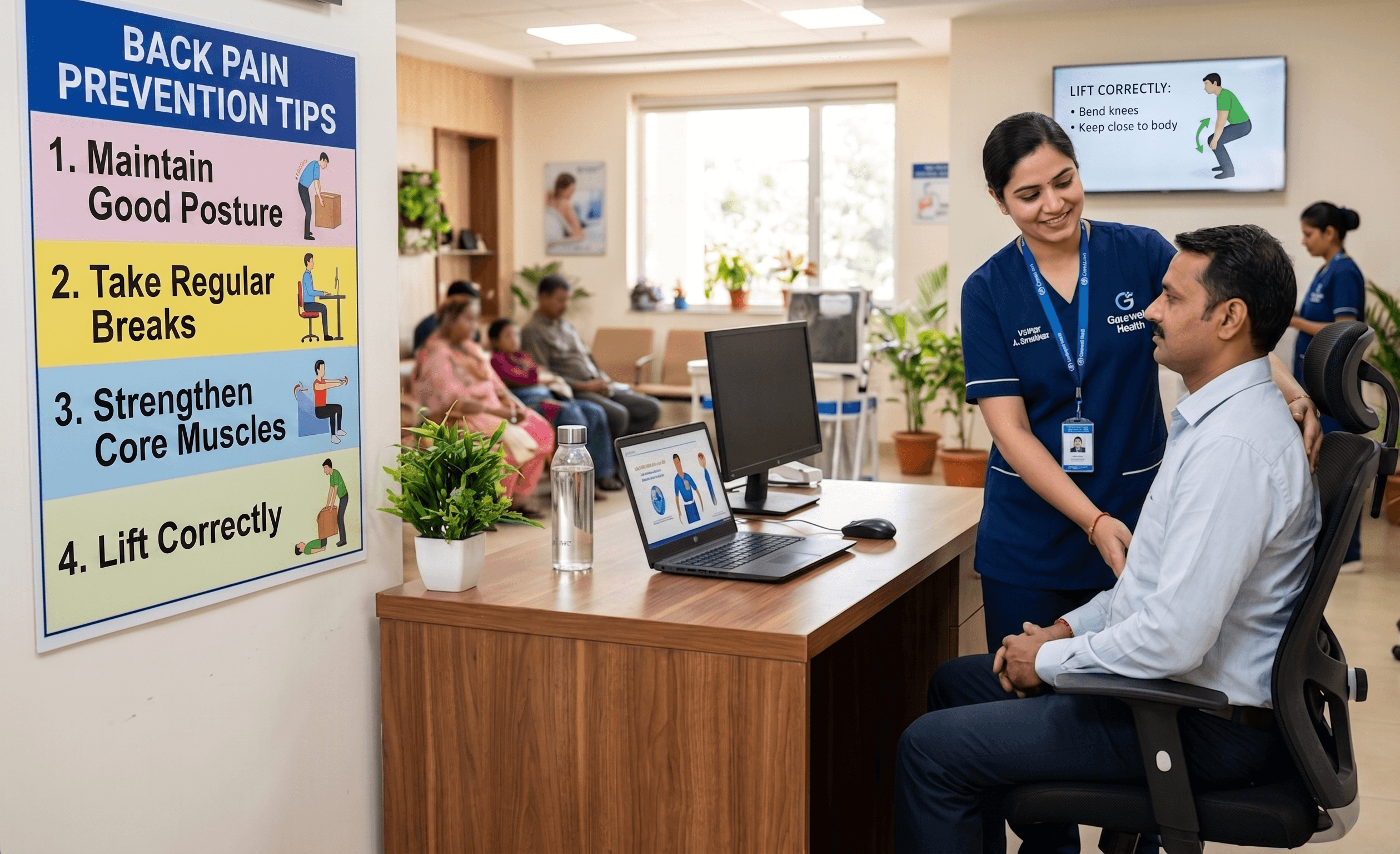
1. Maintain Good Posture
Poor posture places unnecessary stress on your spine and surrounding muscles. Whether sitting, standing, or walking, keep your shoulders relaxed, your back straight, and your head aligned with your spine.
Tips:
- Sit with both feet flat on the floor.
- Keep your computer screen at eye level.
- Avoid slouching or leaning forward for extended periods.
- Use a chair that provides adequate lumbar support.
2. Stay Physically Active
Regular exercise helps strengthen the muscles that support your spine and improves flexibility.
Recommended Activities:
- Walking
- Swimming
- Cycling
- Yoga
- Stretching exercises
Aim for at least 30 minutes of moderate physical activity most days of the week. For more guidance, read our article on best exercises for strengthening your joints and bones and natural ways to relieve joint pain without medication.
3. Strengthen Your Core Muscles
Your abdominal and back muscles work together to support your spine. Weak core muscles can increase the risk of back pain.
Effective Core Exercises:
- Planks
- Bridges
- Bird-Dog Exercise
- Pelvic Tilts
Consult a healthcare professional before starting any new exercise program, especially if you have existing back problems.
4. Lift Objects Correctly
Improper lifting is a common cause of back injuries.
Safe Lifting Techniques:
- Bend your knees, not your waist.
- Keep the object close to your body.
- Avoid twisting while lifting.
- Ask for help when lifting heavy items.
5. Maintain a Healthy Weight
Excess weight places additional stress on the spine, particularly the lower back. Maintaining a healthy weight through proper nutrition and regular exercise can significantly reduce your risk of back pain.
6. Take Frequent Breaks
Sitting for long periods can strain your back muscles and spinal discs.
Follow the 30-Minute Rule:
Stand up, stretch, or walk around for a few minutes every 30 minutes, especially if you work at a desk.
7. Sleep in a Back-Friendly Position
Your sleeping posture can affect spinal health.
Sleep Tips:
- Use a supportive mattress.
- Sleep on your back or side.
- Place a pillow under your knees (if sleeping on your back) or between your knees (if sleeping on your side).
- Avoid sleeping on your stomach whenever possible.
8. Stay Hydrated
The discs between your vertebrae require adequate hydration to maintain flexibility and cushioning. Drinking sufficient water throughout the day supports overall spinal health. Good bone density also plays a role in spinal health as you age – learn more in our osteoporosis prevention and treatment guide.
When Should You See an Orthopedic Specialist?
While occasional back discomfort is common, medical attention may be necessary if you experience:
- Persistent pain lasting more than a few weeks
- Pain that radiates down the legs
- Numbness or tingling sensations
- Weakness in the legs
- Difficulty walking or performing daily activities
Early evaluation can help identify underlying conditions and prevent further complications. Your doctor may recommend imaging to pinpoint the cause – read more about X-ray, MRI, CT scan – which one for joint problems.
Conclusion
Preventing back pain does not require major lifestyle changes. By maintaining good posture, staying active, strengthening your core, lifting properly, and adopting healthy daily habits, you can protect your spine and reduce your risk of developing chronic back pain. Small adjustments today can lead to a healthier, pain-free future.
If you are experiencing ongoing back pain, consult an orthopedic specialist for a proper diagnosis and personalized treatment plan. If you live in or near Ajmer, meet Dr. Abhishek Saxena – best orthopedic surgeon in Ajmer. For more resources, explore our orthopedic blog or learn about common bone and joint conditions. You can also book a consultation online.
📞 Call: +91 86182 43967
🌐 Visit: boneandjoints.in
