
Dr. Abhishek Saxena
Published on July 21, 2026
Knee Pain: Common Causes, Symptoms, Treatment, and Prevention
Knee Pain: Common Causes, Symptoms, Treatment, and Prevention
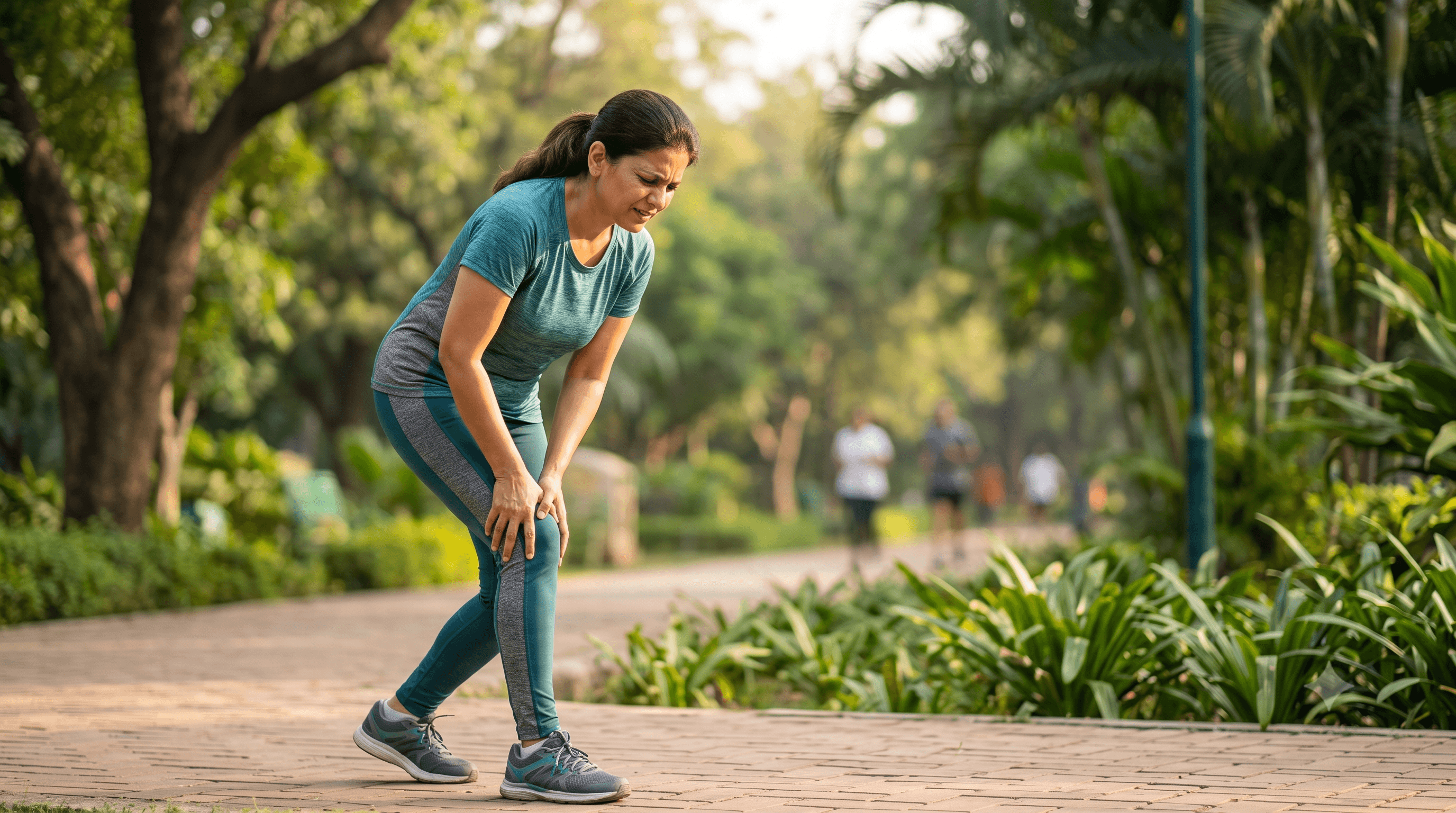
Knee pain is a common orthopedic problem that can affect people of all ages. It may develop due to injury, sports activities, arthritis, overuse, or age-related wear and tear. Since the knee is essential for walking, climbing stairs, standing, and daily activities, persistent knee pain can significantly affect mobility and quality of life.
Understanding the possible causes of knee pain and seeking timely orthopedic evaluation can help prevent further joint damage and improve recovery.
What Causes Knee Pain?
Knee pain can develop gradually or occur suddenly after an injury. Common causes include:
- Osteoarthritis
- ACL and other ligament injuries
- Meniscus tears
- Sports injuries
- Fractures and trauma
- Tendon or muscle injuries
- Overuse of the knee joint
- Age-related degeneration
1. Osteoarthritis of the Knee
Osteoarthritis is one of the leading causes of knee pain, especially in middle-aged and older adults. It develops when the protective cartilage gradually wears away.
Symptoms include:
- Pain while walking or climbing stairs
- Morning stiffness
- Swelling
- Reduced movement
- Grinding sensation
Early arthritis is usually managed with lifestyle changes, physiotherapy, medications, and exercises. Advanced arthritis may require
2. ACL and Ligament Injuries
ACL injuries commonly occur during sports involving twisting, jumping, or sudden direction changes.
Symptoms:
- Sudden severe pain
- Swelling
- Knee instability
- Difficulty bearing weight
Treatment ranges from rehabilitation to arthroscopic ligament reconstruction depending on injury severity.
3. Meniscus Injury
The meniscus acts as a cushion between the knee bones. Tears commonly occur during twisting injuries or due to aging.
- Pain during twisting
- Swelling
- Clicking or locking
- Difficulty bending the knee
4. Sports-Related Knee Injuries
Sports like football, cricket, badminton, running, and gym workouts can damage ligaments, cartilage, tendons, muscles, or bones around the knee. Proper warm-up and technique reduce injury risk.
5. Trauma and Accidents
Falls, road traffic accidents, and direct impacts can cause fractures, ligament tears, dislocations, and cartilage injuries. Immediate orthopedic assessment is essential if severe pain or inability to walk develops.
Maintain a Healthy Weight
Excess body weight increases stress on the knee joint and accelerates arthritis progression. Maintaining a healthy weight reduces pressure on the knees.
Strengthen the Muscles Around the Knee
Exercises targeting the quadriceps, hamstrings, gluteal muscles, and calves help stabilize the knee. Walking, cycling, swimming, and physiotherapy-guided exercises are beneficial.
Do Not Ignore Persistent Knee Pain
Persistent knee pain lasting several days, increasing swelling, limited movement, or pain after injury should be evaluated by an orthopedic specialist.
When Is Knee Arthroscopy Recommended?
Knee arthroscopy is a minimally invasive procedure used to diagnose and treat meniscus tears, ligament injuries, cartilage problems, loose bodies, and mechanical locking symptoms.
When May Knee Replacement Be Needed?
Knee replacement surgery may be considered when advanced arthritis causes severe pain, stiffness, reduced mobility, and non-surgical treatment no longer provides relief.
When Should You See an Orthopedic Surgeon in Jaipur?
- Persistent knee pain
- Significant swelling
- Difficulty walking
- Knee instability
- Locking
- Pain after sports injuries or accidents
Conclusion
Knee pain can result from arthritis, ligament injuries, meniscus tears, sports injuries, trauma, or age-related degeneration. Early diagnosis, physiotherapy, weight management, and appropriate treatment help preserve knee function. Depending on the condition, treatment may range from conservative care to arthroscopy or knee replacement surgery. Consult an orthopedic specialist if knee pain interferes with your daily activities.
